
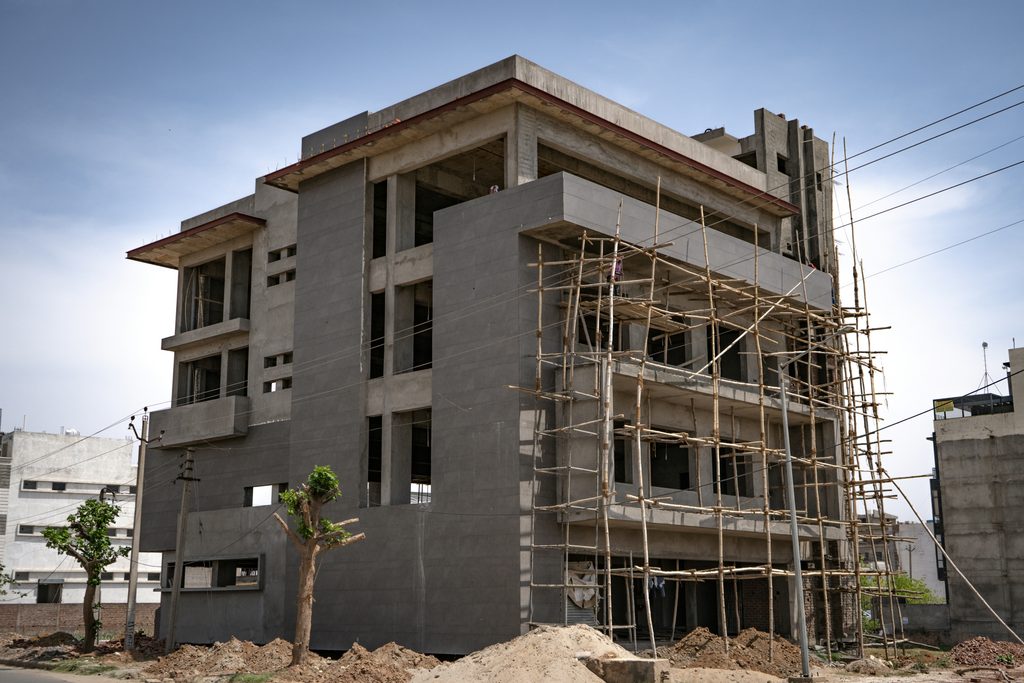
Ask three different builders for a construction quote in Pune and you’ll likely get three noticeably different numbers — not because anyone is overcharging, but because house construction cost in Pune depends on far more variables than most first-time homeowners expect. This guide breaks down exactly what drives that cost, so you can understand a quote rather than just compare the bottom-line figure, and ask the right questions before committing to a builder.
What Determines House Construction Cost in Pune
Two houses of the same size can cost meaningfully different amounts depending on structural design, material grade, finish level, and even the specific plot’s soil condition. Cost per square foot is a useful starting reference, but it only means something once you know exactly what’s included — structure only, or structure plus finishes, or a full turnkey package with interiors as well, since these differ substantially in scope and final price.
Land and Location Factors
Where you’re building affects cost in ways beyond the price of the land itself. Sites with difficult access for construction vehicles, uneven terrain requiring additional levelling, or soil conditions that need deeper or reinforced foundations all add to the base construction cost before a single wall goes up. Areas with established construction activity — parts of Wagholi, Kharadi, Ravet and similar developing pockets around Pune — often have better material and labour availability nearby, which can modestly reduce logistics costs compared to more remote sites where materials need to be transported further.
Structural Design and Foundation Type
The structural system chosen — load-bearing construction versus RCC framed structure — has a significant impact on cost, with framed structures generally costing more but offering greater design flexibility for larger openings and future modifications. Foundation type depends on soil-bearing capacity, determined through a soil test; poor soil conditions requiring pile foundations or additional reinforcement can add meaningfully to the base structural cost, sometimes by a substantial margin over what was initially budgeted before the test results came back.
Material Quality and Specifications
This is where cost differences between quotes are often largest, and where it’s easiest for a lower quote to hide a lower material grade behind a similar-sounding line item. Two quotes for the same square footage can vary substantially in final cost purely based on the brands and grades specified, without the difference being obvious from the summary total alone.
Cement, Steel and Structural Materials
Cement grade, steel brand and rebar diameter specifications all affect both cost and long-term structural durability. Ask specifically which brands and grades are specified in a quote — a lower price sometimes reflects a lower-grade material rather than better efficiency.
Finishing Materials
Flooring, tiles, sanitaryware, paint quality and door/window hardware all have wide price ranges depending on brand and finish level. These choices are usually where homeowners have the most room to adjust budget without affecting structural quality, since finishing materials can often be upgraded later if the budget doesn’t stretch to premium options initially — unlike structural specifications, which are far more difficult and expensive to change once construction is underway.
Labour Costs and Skilled Trade Availability
Skilled labour — masons, electricians, plumbers, carpenters — makes up a substantial portion of overall construction cost, and availability fluctuates seasonally in Pune, sometimes affecting both cost and project timelines noticeably. A company with an established, consistent labour team tends to offer more predictable costs than one relying heavily on subcontracted, ad-hoc labour sourcing for each project, since ad-hoc sourcing often means paying a premium during peak construction seasons when skilled workers are in short supply.
Approvals, Permits and Compliance Costs
Beyond construction itself, new builds require approvals from local municipal authorities before work can legally begin, along with strict compliance with structural and safety standards under the National Building Code. These approval and compliance costs are sometimes overlooked in early budget estimates but are a genuine part of the overall project cost, not an optional add-on — and delays in securing approvals can themselves add to the timeline and, indirectly, to labour and site management costs.
GST and Other Taxes on Construction
Construction services in India attract GST, with rates varying depending on the type of project and specific scope of work. The exact applicable rate and any recent changes are maintained on the official CBIC GST portal, and it’s worth confirming with your builder exactly how tax is factored into your quote — whether it’s included in the headline number or added separately — since this can meaningfully change the final figure you actually pay once the project reaches completion and final billing.
Turnkey vs Self-Managed Construction Cost Comparison
A fully turnkey provider typically quotes a package price covering design, materials and labour under one contract, while self-managing construction with individually hired contractors can sometimes reduce the headline number but shifts coordination risk — and the cost of any resulting delays or rework — squarely onto the homeowner. Construction and turnkey projects managed by a single accountable team tend to have more predictable final costs, even if the initial quote looks higher than piecing together separate contractors, since the risk of mismatched trade sequencing and the resulting rework is significantly reduced.
Broad Cost Tiers to Understand Before Budgeting
Rather than fixating on a single per-square-foot figure — which shifts constantly with material prices and varies by scope — it’s more useful to understand construction in broad tiers. A basic tier typically covers standard structural materials and functional, no-frills finishes. A mid-range tier upgrades finishing materials, hardware brands and fittings while keeping the structural specification similar. A premium tier adds higher-grade structural materials, branded fittings throughout, and more extensive customisation. Ask your builder which tier their quote reflects, and request the same tier from every company you’re comparing, so you’re not comparing a basic structural quote against a premium finished one dressed up to look similar on paper.
How Construction Timelines Affect Overall Cost
Longer construction timelines don’t just delay handover — they often increase total cost too, since labour and site management costs accumulate the longer a project runs. Delays caused by material shortages, weather during monsoon months, or repeated design changes all extend the timeline and, with it, the final cost. A realistic, clearly communicated timeline from your builder — broken down by phase rather than a single end date — makes it easier to spot early if a project is falling behind schedule in a way that will affect the budget, giving you time to address the issue before costs escalate further.
Design and Architectural Fees
Architectural and structural design fees are sometimes quoted separately from construction costs, and sometimes bundled into an overall turnkey package. It’s worth clarifying this distinction upfront, since a construction-only quote that excludes design fees isn’t directly comparable to a turnkey quote that includes them. For structural changes or new builds, having a registered architect involved in the design phase is standard practice, and their fee structure — whether a flat fee, a percentage of construction cost, or a per-square-foot rate — should be clearly stated before work begins, ideally as a line item in the written agreement rather than a verbal understanding.
Site Preparation and Utility Connections
Costs that fall outside the core structural budget are easy to underestimate. Site preparation — clearing, levelling, and any demolition of existing structures — adds to the base cost depending on the plot’s current condition. Utility connections for electricity, water and drainage, along with any compound wall or boundary work, are often quoted separately from the main structure and should be included in your overall budget planning from the start rather than treated as an afterthought once the main structure is complete and these items suddenly need urgent attention.
How to Get an Accurate Cost Estimate
The most reliable way to compare quotes is asking for a detailed Bill of Quantities (BOQ) — an itemised breakdown listing every material, quantity and associated cost across the project. A BOQ makes it possible to compare two quotes on genuinely equal terms, since a single lump-sum number can hide very different material specifications behind a similar-looking total, especially when the summary figures alone give little indication of what’s actually included.
Common Ways Homeowners Overspend
A few patterns show up repeatedly in projects that run over budget, and most are entirely avoidable with better planning upfront and clearer communication with the builder from the very first consultation:
- Frequent mid-construction design changes: Altering layouts or specifications after work has started is one of the most reliable ways to inflate a budget beyond the original estimate, since materials already purchased often need to be replaced or reworked.
- Skipping a soil test: Discovering poor soil conditions after foundation work has begun is far more expensive to address than planning for it upfront with proper testing.
- Comparing only headline quotes: Without a detailed BOQ, it’s easy to select a quote that looks cheaper but excludes items that get added as costly extras later in the project.
- Underestimating finishing costs: Structural work often gets the most budget attention, leaving finishing and interior costs underestimated until much later in the project timeline.
Working With an Interior Design Company in Pune
Whether you’re planning a new build or need interior work following construction, an established interior design company in Pune that also understands construction cost drivers can help you plan a realistic, phased budget from the very start rather than discovering gaps once work is already underway. You can explore our full range of services on our services page, see completed projects on our projects page, or follow current work on our Instagram page.
Conclusion
House construction cost in Pune isn’t a single number you can look up — it’s the sum of dozens of decisions around land, structure, materials, labour and compliance, each of which can shift the final figure significantly. Getting a detailed, itemised BOQ from your builder, rather than comparing single lump-sum quotes, remains the most reliable way to understand what you’re actually paying for and to avoid surprises once construction is underway. The homeowners who budget most accurately are usually the ones who ask the most specific questions upfront, not the ones who simply pick the lowest number on paper.
Planning to build a house in Pune?
Ekratna Interiors & Constructions can help you plan a realistic, itemised construction budget — from land and structure through to finishing and interiors.
Request a ConsultationFrequently Asked Questions
What factors affect house construction cost in Pune the most?
Structural design, material quality, labour costs, site conditions and finishing specifications all significantly affect the final cost — no single factor determines the total on its own.
Is a turnkey construction quote more expensive than hiring contractors separately?
It can appear higher upfront, but turnkey pricing usually reflects single-team accountability and coordination, which often reduces the risk of costly delays or rework compared to self-managing separate contractors.
Why do construction quotes from different builders vary so much?
Quotes often reflect different material grades, brands and scope inclusions, even when the headline number looks similar. A detailed BOQ is the best way to compare quotes fairly.
Does GST apply to house construction in Pune?
Yes, construction services attract GST, with the applicable rate depending on the project type. Always confirm with your builder whether quoted prices are inclusive or exclusive of GST.
How can I avoid overspending on construction?
Get a detailed BOQ before starting, avoid frequent mid-construction design changes, conduct a soil test early, and budget realistically for finishing costs alongside structural work.
Are design and architectural fees included in a construction quote?
Sometimes, but not always — clarify whether design fees are bundled into a turnkey quote or charged separately, since this significantly affects how comparable two quotes actually are.

9 Comments
[…] material, shutter finish, and countertop choice. If you’re comparing layouts, our post on House Construction Cost in Pune also covers how structural choices affect downstream interior […]
[…] you’re also planning the rest of your home’s interiors alongside the kitchen, our house construction cost guide for Pune and home interior planning guide are useful companion reads for building a realistic whole-home […]
[…] you’re also planning the rest of your home’s interiors alongside the kitchen, our house construction cost guide for Pune and home interior planning guide are useful companion reads for building a realistic whole-home […]
[…] you’re at the stage of comparing overall project costs, our detailed breakdown of house construction cost in Pune is a useful companion read before you get into BOQ-level detail with a shortlisted […]
[…] typical cost ranges in Pune, see our guide on construction and renovation costs. If you are also weighing structured pricing formats, our explainer on what a BOQ is and why it […]
[…] a closer look at itemised pricing, see our explainer on what a BOQ is and why it matters. Our construction and renovation cost guide also gives typical ranges across Pune for […]
[…] broader cost context across home types in Pune, our construction and renovation cost guide is a useful starting […]
[…] not choose a system based on the first quote. Ask for an itemised estimate. Our guide on house construction cost in Pune explains what drives the […]
[…] For a wider view of budget and planning, read our guide on house construction cost in Pune. […]