
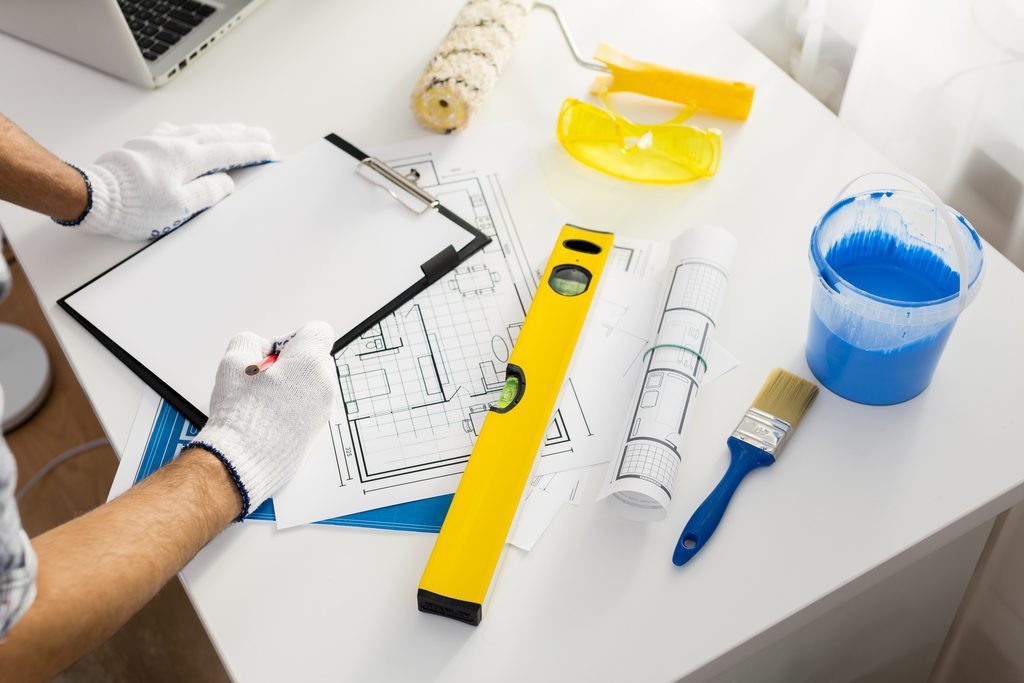
When people plan a new home, they spend weeks choosing tiles, paint and furniture. Yet the most important choices are the ones you will never see once the house is finished. These are the cement in your slabs, the steel inside your columns and the blocks in your walls.
A beautiful interior cannot hide a weak structure. Good materials keep your family safe, protect your investment and cut repair bills for decades. Poor ones cause cracks, leaks and worry.
This guide explains how to choose house construction materials in Pune. At Ekratna Interiors & Constructions, we build and design homes across the city, so we have seen what works in Pune’s heat, monsoon and soil. Use this as a simple checklist when you speak to your engineer and builder.
Note: This article gives general guidance. Your structural engineer must specify the exact grade and type of every structural material for your plot and design.
Why House Construction Materials Matter So Much
House construction materials decide how long your home lasts. They also decide how much you spend on maintenance.
The right house construction materials bring four clear benefits:
- Safety: strong cement, steel and blocks protect your family.
- Durability: quality materials resist Pune’s heavy monsoon and summer heat.
- Lower repair costs: fewer cracks, leaks and damp patches over the years.
- Better resale value: a well-built home earns the trust of future buyers.
The cheapest option at purchase is rarely the cheapest over time. A small saving on steel or waterproofing can turn into a big repair bill later.
Plan Your House Construction Materials Before You Buy
Do not start buying materials without a plan. A clear plan saves money and prevents waste.
Start with the design and structure
Your structural engineer decides the type of structure and the concrete and steel grades. Materials are chosen to match the design, not the other way round.
Get a written specification
Ask for a document that lists each material, brand, grade and quantity. This is often part of a Bill of Quantities. It stops confusion and protects you from quiet substitutions.
Estimate quantities carefully
Overbuying wastes money. Underbuying causes delays. Ask your engineer or contractor for a quantity estimate, and add a small allowance for wastage.
Check soil and site conditions
Pune has varied soil and rock conditions. A soil test guides the foundation and the materials used in it. Do not skip this step.
For a wider view of budget and planning, read our guide on house construction cost in Pune.
Cement in House Construction Materials: The Binding Heart
Cement binds sand and stone into concrete and mortar. Choosing the right type matters.
Common cement types
| Type | Common use | Key points |
|---|---|---|
| Ordinary Portland Cement (OPC) | Structural concrete where early strength is needed | Gains strength quickly |
| Portland Pozzolana Cement (PPC) | General construction, plaster, masonry | Gains strength more slowly; good durability and finish |
Both are widely used in Pune. Your engineer will recommend the right one for each part of the work.
Check before you buy
- Look for the BIS standard mark on the bag.
- Check the manufacturing date. Fresh cement performs best.
- Buy from authorised dealers and keep the bills.
- Reject bags with lumps that do not crumble by hand.
The Bureau of Indian Standards publishes the relevant codes, such as IS 269 for ordinary Portland cement and IS 1489 for Portland pozzolana cement. You can explore them on the BIS website.
Steel in House Construction Materials: The Hidden Skeleton
Steel bars give concrete its strength under tension. They are the hidden skeleton of an RCC home.
What to look for
- Choose TMT bars of the grade specified by your engineer.
- Check for the BIS mark and the manufacturer’s rolled-in markings.
- Avoid bars with heavy rust, bends or surface cracks.
- Ask for the test certificate of the batch.
- Buy the right diameter for each element. Do not accept a thinner bar as a substitute.
Protect steel on site
Store bars off the ground and cover them during rain. Light surface rust is common, but flaking, deep rust weakens the bar. Proper concrete cover protects steel from moisture inside the finished structure.
The relevant Indian standard for reinforcement bars is IS 1786. Your engineer will confirm the exact grade for your design.
Sand and Aggregates in House Construction Materials
Sand and aggregates form most of the volume of concrete and mortar. Their quality affects strength and finish.
Sand options
- River sand: traditional, but supply is restricted in many areas and prices can swing.
- Manufactured sand (M-sand): made by crushing rock. It is widely used and consistent when well produced.
Whichever you choose, the sand must be clean and free of clay, dust and organic matter. Dirty sand weakens concrete and mortar.
Aggregates
Aggregates should be hard, clean and well graded. Avoid soft, dusty or flaky stone. The standard for aggregates in concrete is IS 383.
A simple site check
Rub a handful of sand between your fingers. If it leaves heavy dirt or sticks together like clay, ask for a better supply.
Bricks and Blocks: Choosing Your Wall Material
Walls are among the largest house construction materials by volume. They affect comfort, weight and cost. Here is how common options compare.
| Material | Strengths | Watch out for |
|---|---|---|
| Red clay bricks | Familiar, good thermal mass, widely available | Quality varies; can absorb water |
| Fly ash bricks | Uniform size, good strength, eco-friendlier | Needs proper curing; check quality |
| AAC blocks | Light weight, good insulation, fast to lay | Needs correct mortar and proper plastering |
| Concrete blocks | Strong and uniform | Heavier; needs good bonding |
No single wall material is best for every home. The right choice depends on your design, budget and the advice of your engineer.
Check the quality
- Bricks should be uniform in size and shape.
- They should give a clear ringing sound when struck.
- They should not crumble or break easily.
- Blocks should be properly cured before use.
Relevant standards include IS 1077 for burnt clay bricks and IS 2185 for concrete masonry units, including AAC blocks.
Concrete: Ready-Mix or Site-Mixed?
Concrete is one of the most important house construction materials. It carries the weight of your home, so its quality is critical.
Ready-mix concrete
It is made in a plant under controlled conditions. It offers consistent quality, saves time and reduces waste. It is a good choice for slabs, beams and columns of larger projects.
Site-mixed concrete
It is mixed at the site. It can work for small jobs, but needs careful control of proportions and water. Poor mixing leads to weak concrete.
Whichever you choose
- Follow the grade the engineer has specified.
- Do not add extra water to make pouring easier.
- Compact the concrete well.
- Take cube samples for testing, if your engineer advises.
- Cure the concrete for the full recommended time.
Good curing is as important as good concrete. Rushing it to save time weakens the structure. The Indian standard for concrete practice is IS 456. For more on how structure affects your whole project, see our guide on how long it takes to construct a house in Pune.
Waterproofing and Damp-Proofing for Pune’s Monsoon
When choosing house construction materials for Pune, remember that the monsoon is heavy. Water finds every weak spot. Waterproofing is not a luxury. It is essential.
Where waterproofing matters most
- Terrace and roof slabs.
- Bathrooms, toilets and wet areas.
- Balconies and sunshades.
- External walls, especially on the weather side.
- Water tanks and sumps.
- Basement or plinth level.
Choose proven systems
Use waterproofing products from reputed brands. Ask the applicator for a written warranty. Test wet areas by ponding water for the recommended period before tiling.
A small saving on waterproofing can cost many times more when leaks damage finished interiors. Fixing leaks after interiors are done is messy and costly.
Flooring and Tile Materials
Flooring is where house construction materials meet daily life. Choose for safety, durability and ease of cleaning.
- Vitrified tiles: durable, low water absorption and easy to maintain.
- Anti-skid tiles: best for bathrooms, balconies and wet areas.
- Natural stone: rich and long-lasting, but heavier and needs sealing.
- Wood-finish tiles: warm look with easier upkeep than real wood.
Use good tile adhesive and proper spacing. Poor fixing leads to hollow tiles and cracks. Ask for extra tiles from the same batch for future repairs.
Doors and Windows
Doors and windows affect security, light, ventilation and heat. Choose the material to match the location.
| Material | Best for | Consider |
|---|---|---|
| Wood | Main doors and bedrooms | Needs good seasoning and polish |
| UPVC | Windows and balcony doors | Weather-resistant; check profile quality |
| Aluminium | Sliding windows and large openings | Slim frames; choose good sections and hardware |
| Steel or metal | Security doors and grills | Needs protective coating |
Good glass, strong hardware and tight seals matter as much as the frame. They affect comfort and noise.
Plumbing and Electrical Materials
Pipes and wires are hidden inside walls. A failure there means breaking walls to repair. Choose quality from the start.
Plumbing
- Use good-quality pipes and fittings of the type your plumber specifies.
- Choose concealed fittings from reputed brands.
- Pressure-test all lines before the walls are closed.
- Keep a marked drawing of pipe routes for future repairs.
Electrical
- Use flame-retardant, ISI-marked copper wires of the correct size.
- Use quality switches, sockets and a good distribution board with safety breakers.
- Provide proper earthing.
- Plan enough points to avoid overloaded extension boards.
Safety note: Always use a licensed electrician. Poor wiring is a serious fire risk.
Paint and Finishes
Paint is the final layer, but it also protects your walls.
- Use a good primer, as it improves adhesion and finish.
- Choose exterior-grade weatherproof paint for outer walls.
- Use washable, low-odour paint inside.
- Let plaster dry fully before painting to avoid peeling.
Good prep work matters more than the brand alone. Smooth, dry, well-prepared walls hold paint for years.
Roofing and Thermal Comfort
Pune summers can be hot. The roof takes the most heat.
- Use proper insulation or heat-reflective treatment on the terrace.
- Choose light-coloured finishes to reflect heat.
- Consider AAC blocks or insulated walls for extra comfort.
- Plan cross-ventilation with well-placed windows.
Good thermal design lowers cooling costs and makes your home more comfortable for years.
How to Check Quality on Site
You do not need to be an engineer to ask smart questions. Follow these simple habits.
- Insist on BIS-marked materials where applicable.
- Keep bills, delivery slips and test certificates.
- Check the brand and grade against the written specification.
- Take dated photos of each stage.
- Ask for cube tests on concrete if your engineer recommends them.
- Visit the site regularly or arrange supervision.
- Never accept a substitute without written approval.
Regular checks catch problems early. Fixing a mistake in a column is far easier before the next floor goes up.
Store House Construction Materials Properly
Even good house construction materials spoil if stored badly. Plan storage on site.
- Store cement in a dry, covered place, raised off the floor.
- Stack bags in a way that allows first-in, first-out use.
- Keep steel off the ground and covered during rain.
- Protect tiles and sanitaryware from breakage.
- Keep sand and aggregates clean and separate.
- Secure expensive fittings and wires in a locked room.
Monsoon storage needs extra care. A wet bag of cement is a waste of money.
Budget for House Construction Materials
Materials form a large share of any construction budget. Plan this part carefully.
Spend more where it matters
Do not compromise on structural items such as cement, steel, concrete and waterproofing. These cannot be easily changed later.
Save on items you can upgrade
Decor, light fittings, paint shades and some finishes can be improved later without major work.
Keep a buffer
Material prices change. Set aside 10 to 15 percent of your budget for price changes and unexpected needs.
Ask for an itemised quote
A clear list of materials, brands, grades and rates helps you compare offers fairly. Our home renovation guide for Pune also explains how to plan a budget step by step.
Common Mistakes With House Construction Materials
Avoid these errors to protect your home:
- Choosing the cheapest option without checking quality.
- Accepting a different brand or grade without written approval.
- Skipping waterproofing or doing it poorly.
- Using dirty sand or poor aggregates.
- Adding extra water to concrete for easy pouring.
- Storing cement and steel in the open during monsoon.
- Buying finishes before the structure is complete.
- Not keeping bills and test records.
Most of these errors come from rushing or trying to save a small amount. Patience and checking pay off later.
Build Your Interiors Around Good Materials
Good structure makes good interiors possible. Your wiring, plumbing and waterproofing must be right before the interior work begins.
- Plan electrical and plumbing points with your interior designer early.
- Finish all waterproofing and leak tests before fixing tiles and cabinets.
- Allow concrete and plaster to dry fully before woodwork and paint.
- Coordinate beam and column positions with your wardrobe and ceiling plan.
Our guide on how to plan your home interior before starting explains how to combine construction and interior planning in the right order.
How to Choose a Builder Who Respects Material Quality
The best materials need a builder who uses them correctly. Look for these points:
- Written specifications: a clear list of materials, brands and grades.
- Itemised quote: no vague lump sums.
- Experience: ask to see finished homes on our projects page.
- Site supervision: a team that visits daily and records progress.
- Warranty: written cover on structure, waterproofing and workmanship.
- Transparency: readiness to show bills and test certificates.
Learn more about us on the About Us page, or explore our full range of services. For more guides on building and interiors, visit our blog.
Your Quick House Construction Materials Checklist
- Get a structural design and a written material specification.
- Choose BIS-marked cement and steel of the specified grade.
- Use clean sand and good aggregates.
- Pick walls that suit your design and climate.
- Control concrete quality and cure it fully.
- Invest in proper waterproofing and test it.
- Use quality pipes, wires and fittings.
- Store materials safely, especially in the monsoon.
- Keep bills, certificates and photos of each stage.
- Set a budget with a buffer and an itemised quote.
Choosing the right house construction materials is about balance. Spend wisely on what cannot be changed, and save on what can be upgraded. For fresh inspiration and finished-home photos, follow us on Instagram.
Planning to Build Your Home in Pune?
Talk to the team at Ekratna Interiors & Constructions. We will help you choose the right materials and build a home that is strong, safe and beautiful.
Book a Free ConsultationFrequently Asked Questions
Which cement is best for house construction in Pune?
Both OPC and PPC are widely used. The best choice depends on the part of the work and your engineer’s advice. Always buy BIS-marked cement from authorised dealers and check the manufacturing date.
What type of steel should I use for my house?
Use TMT bars of the grade and diameter specified by your structural engineer. Look for the BIS mark, check for heavy rust and ask for the batch test certificate.
Which is better for walls: bricks or AAC blocks?
Each has strengths. Clay and fly ash bricks are familiar and strong. AAC blocks are light and good for insulation. The right choice depends on your design, budget and engineer’s advice.
How important is waterproofing in Pune?
Very important. Pune has a heavy monsoon, and leaks can damage finished interiors. Waterproof the terrace, bathrooms, balconies and external walls, and test wet areas before tiling.
How can I check the quality of materials on site?
Look for BIS marks, keep bills and test certificates, compare materials with the written specification, take dated photos and arrange regular site supervision.
Should I use ready-mix concrete or site-mixed concrete?
Ready-mix gives consistent quality and is a good choice for larger projects. Site-mixed concrete can work for small jobs if proportions and water are carefully controlled. Follow your engineer’s specification.