
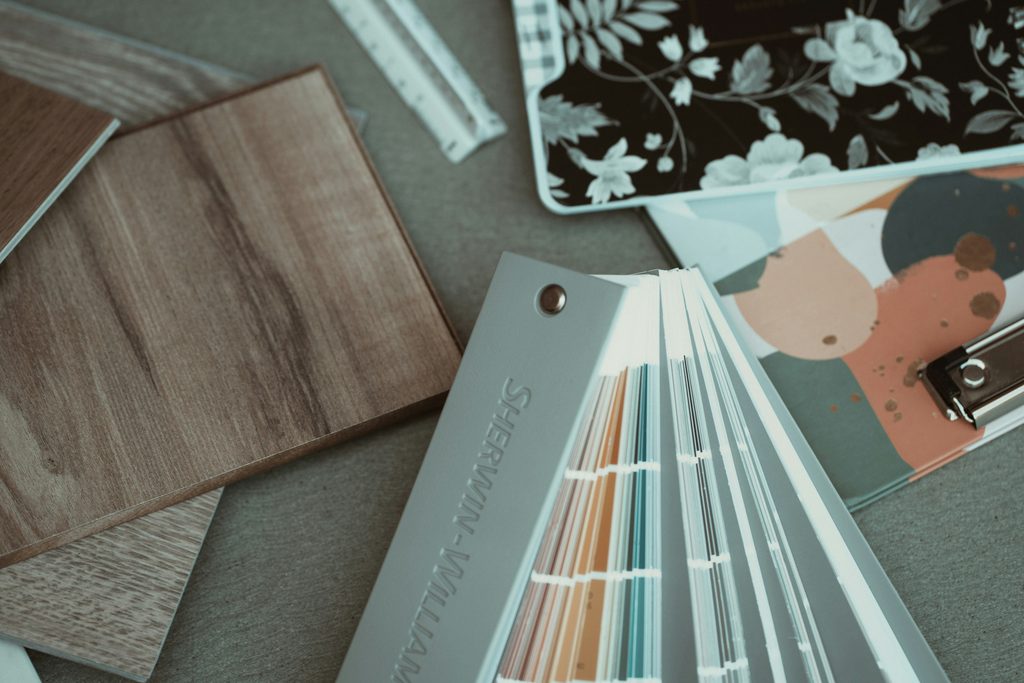
Color is the fastest way to change a home. A fresh coat of paint can make a room feel larger, warmer, calmer or more energetic. The wrong choice can do the opposite. A beautiful sofa looks dull against a clashing wall, and an expensive wardrobe loses its charm in a badly lit, wrongly colored room.
Many Pune homeowners find this the hardest part of interior design. There are thousands of shades, and every shade looks different on a screen, in a shop and on your own wall. How do you choose with confidence?
This guide shares practical color palette ideas for Pune home interiors. At Ekratna Interiors & Constructions, we plan color schemes for homes across the city, so we know what works in Pune’s strong sunlight, busy family life and monsoon humidity. Use this guide to build a palette that feels right and lasts for years.
Why Color Palette Ideas Matter in Interior Design
A color palette is the set of colors that run through your home. It covers walls, furniture, curtains, flooring and decor. Good color palette ideas bring several clear benefits:
- A home that feels connected: rooms flow together instead of looking like separate boxes.
- A bigger-looking space: light, well-chosen shades make compact flats feel airy.
- The right mood in each room: calm in bedrooms, bright in kitchens, welcoming in the living room.
- Easier shopping: once you know your palette, choosing curtains and furniture becomes simple.
- Less regret: you avoid repainting because a shade looked different on the wall.
Think of the palette as the plan for your whole home. Every other design decision becomes easier once it is set.
Start With These Basics Before Choosing Colors
Do not pick shades from a catalogue first. Start with your home and your life.
Look at what you cannot change
Your flooring, kitchen countertop, large furniture and built-in wardrobes are already fixed in many homes. Your wall color must work with them. Check the undertone of these items. Some floors lean warm, with yellow or red hints. Others lean cool, with grey or blue hints.
Understand warm and cool undertones
- Warm shades: cream, beige, terracotta, mustard and warm white feel cosy and welcoming.
- Cool shades: grey, blue, mint and cool white feel fresh and calm.
Mixing warm and cool shades without a plan can look messy. Pick one family as the base and use the other as an accent.
Think about how you live
Do you have small children or pets? Do you cook heavy meals daily? Do you host guests often? Busy homes need washable, forgiving shades. Calm homes can use softer, lighter tones.
Check the natural light
Light changes everything. A color that looks warm in a showroom can look flat or too bright at home. Note which way each room faces and how much daylight it gets.
Tip: Always test a color on your own wall. Paint a small patch, about two feet square, and look at it in the morning, afternoon and evening before you decide.
The 60-30-10 Rule for Color Palette Ideas
This simple rule is used by many designers. It keeps a palette balanced and stops a room from feeling chaotic.
| Share | Role | Where it appears |
|---|---|---|
| 60% | Dominant color | Main walls, large rugs, big furniture |
| 30% | Secondary color | Sofas, curtains, accent walls, wardrobes |
| 10% | Accent color | Cushions, art, vases, lamps, small decor |
An example for a living room
Imagine a warm white main wall (60%), a wood-toned TV unit and beige sofa (30%) and mustard and green cushions (10%). The room feels layered and balanced, not busy.
You do not have to follow the rule exactly. But it is a handy starting point, especially if you are unsure about your taste.
Types of Color Palette Ideas for Modern Pune Homes
Here are the most popular types of palettes. Each suits a different style of home.
1. Soft neutral palette
White, cream, beige and light grey create a calm, timeless look. This palette suits almost every home and works well in small flats. Add warmth with wood, cane and soft lighting so it does not feel cold.
2. Earthy palette
Terracotta, clay, olive, sand and warm brown bring a natural, grounded feel. This palette goes well with wood, cane, brass and handmade decor, and suits Indian homes beautifully.
3. Fresh pastel palette
Sage green, powder blue, blush pink and soft lavender feel gentle and airy. They work well in bedrooms, kids’ rooms and home offices.
4. Bold and rich palette
Deep blue, emerald green, charcoal and burgundy give drama. Use them on one feature wall or in accents. In small rooms, avoid painting every wall in a dark shade.
5. Monochrome palette
One color in many shades, such as light to dark grey or beige to brown, gives an elegant, layered look. Add texture to keep it from feeling flat.
6. Two-tone palette
Two shades, such as white with a wood tone or grey with mustard, create a clear, modern look. This suits kitchens, wardrobes and TV units.
Color Palette Ideas for the Living Room
The living room is the heart of the home. It should feel welcoming for family and guests.
- Warm neutral base: cream, off-white or light beige walls with a wood-toned TV unit.
- Feature wall: one wall in a deeper shade, such as olive, navy or terracotta, behind the TV or sofa.
- Accent colors: mustard, rust, teal or green in cushions, rugs and art.
- Light curtains: sheer or light-toned fabric keeps the room airy.
Our guide on modern living room design for Pune homes shows how color works with layout and lighting.
Color Palette Ideas for the Bedroom
Bedrooms should help you rest. Choose soft, calming shades.
Master bedroom
Soft grey, warm beige, sage green or muted blue create a restful feel. A padded headboard in a slightly deeper tone adds depth. For more ideas, read our master bedroom interior design guide.
Kids’ room
Light, cheerful colors such as pale yellow, soft green and sky blue suit kids’ rooms. Use washable paint. Add bright color through bedding, rugs and wall art instead of painting every wall in a bold shade, because children’s tastes change quickly.
Guest room
Keep it neutral and inviting, with soft whites, creams or pale greys. These shades suit most guests.
Color Palette Ideas for the Kitchen
A kitchen needs colors that look clean and bright. They should also hide minor marks.
- White and wood: clean and warm, a popular choice in modular kitchens.
- Light grey with brass or black handles: modern and sharp.
- Two-tone cabinets: darker base units with lighter wall units add depth and hide marks near the floor.
- Soft green or blue: fresh and calming.
- Matte finishes: hide fingerprints and glare.
Avoid very dark shades throughout a small kitchen. They can feel heavy and make the space look smaller. Use easy-to-clean finishes on shutters and backsplash tiles.
Color Palette Ideas for Dining, Entrance and Passage
Dining area
Warm shades such as soft terracotta, mustard or deep green make meals feel cosy. A feature wall behind the dining table adds interest.
Entrance
The entrance gives the first impression. Use a welcoming, slightly bolder tone, or panel the wall in wood. Keep it simple and well-lit.
Passage
Narrow passages look longer in light shades. Use a single, bright color, and avoid dark walls on both sides.
Color Palette Ideas for Home Office and Pooja Room
Home office
Choose shades that help you focus. Soft green, light grey, muted blue or warm white work well. Avoid very bright or dark walls that tire the eyes. Keep the wall behind your desk neat and neutral for video calls.
Pooja room
Many families prefer soft, warm shades such as white, cream, soft yellow or light orange for the pooja area. Some families also follow vastu guidance on colors. If this matters to you, discuss it with your designer at the start so the palette and the layout work together.
Color Palette Ideas for Bathrooms and Balconies
Bathrooms
Light tiles in white, beige or soft grey make small bathrooms feel larger and cleaner. Add one accent through a feature tile, towels or a mirror frame. Use anti-skid, matte tiles on the floor.
Balconies
Choose exterior-grade, weatherproof paint. Light shades reflect heat and look fresh. Use green plants and bright cushions for color instead of dark paint that fades in the sun.
Color Palette Ideas for Small Pune Flats
Many Pune flats are compact. A few smart color rules make them feel larger.
- Use light shades on walls and ceilings to reflect light.
- Paint the ceiling white or a very light tone.
- Keep the same base color across connected rooms for a seamless look.
- Use a deeper shade on one feature wall only.
- Match the curtain color to the wall for a taller, smoother look.
- Use mirrors and glossy accents sparingly to bounce light.
In a small home, fewer colors always look bigger than many colors. For more space-saving ideas, visit our blog.
How Light Changes Your Color Palette Ideas
Light is the secret ingredient that changes every color. Understand it before you buy paint.
Natural light by direction
- North-facing rooms: get softer, cooler light. Warm shades help balance them.
- South-facing rooms: get strong light for most of the day. Almost any shade works, but very bright colors can feel intense.
- East-facing rooms: get warm morning light and softer afternoons.
- West-facing rooms: get strong, warm afternoon light and can feel hot. Cooler, lighter shades help.
Artificial light
The color of your bulbs changes the look of paint. Warm white bulbs, around 2700K to 3000K, make walls feel cosy. Neutral white, around 4000K, looks cleaner and brighter. Cool daylight bulbs, around 6500K, can make walls look blue and harsh in living spaces.
Test your paint under the bulbs you plan to use. Choose LED fittings to save power. The Bureau of Energy Efficiency explains how star-rated products help reduce electricity use.
Choose the Right Paint Finish
Finish changes both the look and the care needed. Here is a simple guide.
| Finish | Look | Best for |
|---|---|---|
| Matt | Soft, no glare, hides wall flaws | Bedrooms, living rooms, ceilings |
| Satin or eggshell | Slight sheen, easier to wipe | Kids’ rooms, passages, dining areas |
| Gloss or semi-gloss | Shiny, very washable | Doors, trims, utility areas |
| Textured paint | Adds depth and pattern | Feature walls and entrances |
Choose washable, low-odour paint inside the home. A good primer improves coverage and finish. Check paint quality marks and standards listed by the Bureau of Indian Standards when comparing products.
Protect Your Paint in Pune’s Climate
Pune’s heavy monsoon can damage paint if the wall is not ready. Paint does not fix a damp wall.
- Fix seepage and leaks before you paint.
- Let new plaster dry completely before applying paint.
- Use a good primer, and a waterproof coating on exterior and damp-prone walls.
- Choose exterior-grade paint for balconies and outer walls.
- Avoid painting in heavy rain or high humidity.
- Keep rooms ventilated while the paint dries.
Good preparation matters more than the brand alone. Smooth, dry, well-prepared walls hold color for years.
Match Furniture, Fabrics and Flooring to Your Palette
Walls are only part of the story. The whole room must work together.
- Flooring: choose tiles in a neutral base so walls and furniture can change over time.
- Furniture: pick key pieces in your 30% secondary color, and use the 10% accent for easy-to-change decor.
- Curtains: sheer curtains keep rooms bright. Heavier fabrics can echo your accent color.
- Rugs: a rug is the easiest way to add pattern and color without a big commitment.
- Metals: pick one metal finish, such as brass or black, and repeat it in handles, lights and frames.
Keep the large, expensive items neutral. Add bold color through cushions, art and decor, which are cheap to change. If you are unsure about your overall look, read our guide on how to choose the right interior design style.
How to Choose Your Final Palette Step by Step
Follow these steps to move from confusion to a clear palette.
- Step 1: note your fixed items such as flooring, countertops and large furniture.
- Step 2: pick a base color, usually a light neutral, for most walls.
- Step 3: choose one or two secondary colors for furniture and feature walls.
- Step 4: select a small accent color for decor.
- Step 5: test paint samples on your walls at different times of day.
- Step 6: check the shades under your planned bulbs.
- Step 7: look at the palette across rooms, not just one room at a time.
- Step 8: finalise the plan and note shade names and codes.
Our guide on how to plan your home interior before starting explains when colors should be decided in the overall project order.
Budget and Painting Cost
Paint cost varies by brand, finish and the condition of your walls, so we do not quote a single price. Here is what influences the total.
- The size of your home and the number of coats.
- The paint brand, type and finish.
- Wall preparation, such as putty, crack repair and primer.
- Textured paint or special finishes.
- Labour and the skill of the painting team.
- Furniture moving and protection of floors.
Ask for an itemised quote that lists each stage, paint type and coverage area. Keep a buffer of 10 to 15 percent for unexpected repairs. Our home renovation guide for Pune explains how to plan a budget step by step.
Common Mistakes With Color Palette Ideas
Avoid these errors to get the colors you want:
- Choosing paint from a small swatch or a phone screen only.
- Skipping the test patch on your own wall.
- Painting every wall in a dark shade in a small room.
- Ignoring the undertone of flooring and furniture.
- Mixing too many bold colors in one room.
- Painting over damp or damaged walls.
- Choosing each room in isolation, without a whole-home plan.
- Following a trend that does not suit your lifestyle.
Most of these mistakes come from rushing. A little testing saves a lot of repainting.
How to Choose a Team for Your Interior Color Plan
A good designer helps you see the whole picture. Look for these points:
- A clear palette plan: they should show color boards and 3D views, not just paint charts.
- Portfolio: ask to see finished homes on our projects page.
- Attention to light: they should consider the direction of each room and your bulbs.
- Itemised quote: every material, brand and coat should be listed.
- Neat execution: clean edges, smooth walls and well-protected floors.
Learn more about us on the About Us page, or explore our full range of interior design services. For a room-by-room view of a full home plan, see our 3 BHK room-by-room planning guide.
Your Quick Color Palette Ideas Checklist
- Note your fixed items and their undertones.
- Choose a light neutral base for most walls.
- Follow the 60-30-10 rule for balance.
- Pick one feature wall at most in a small room.
- Test paint patches in different light.
- Check the colors under your planned bulbs.
- Fix damp walls before painting.
- Choose washable, low-odour paint.
- Keep large items neutral and bold color in decor.
- Set a budget with a buffer and an itemised quote.
The best color palette ideas are simple, tested and suited to your home. Take your time, test patiently, and your walls will feel right for years. For fresh inspiration and finished-home photos, follow us on Instagram.
Need Help Choosing Your Home’s Color Palette?
Talk to the team at Ekratna Interiors & Constructions. We will help you build a color plan that fits your home, your light and your lifestyle.
Book a Free ConsultationFrequently Asked Questions
What are the best color palette ideas for a small Pune flat?
Light neutrals such as white, cream, beige and soft grey make small flats feel larger. Keep the same base across rooms and add one feature wall or a few accents for personality.
How do I choose a wall color that suits my room’s light?
Note which way the room faces. Warm shades balance cooler north light, while lighter shades help in hot west-facing rooms. Always test a patch on your wall in the morning, afternoon and evening.
What is the 60-30-10 rule?
It is a balance guide: 60 percent dominant color, 30 percent secondary color and 10 percent accent color. It keeps a room harmonious and prevents it from feeling chaotic.
Should I paint all walls the same color?
Not necessarily. A single light base across the home looks seamless, and one feature wall adds interest. In small rooms, too many different colors can make the space feel chopped up.
Which paint finish is best for homes with children?
Satin or eggshell finishes are easier to wipe clean than matt. Use washable paint in kids’ rooms, passages and dining areas.
Can I paint during the Pune monsoon?
It is best to avoid painting during heavy rain and high humidity. Fix any leaks or seepage first, let walls dry completely and use a good primer. Many people choose the drier months for painting.