
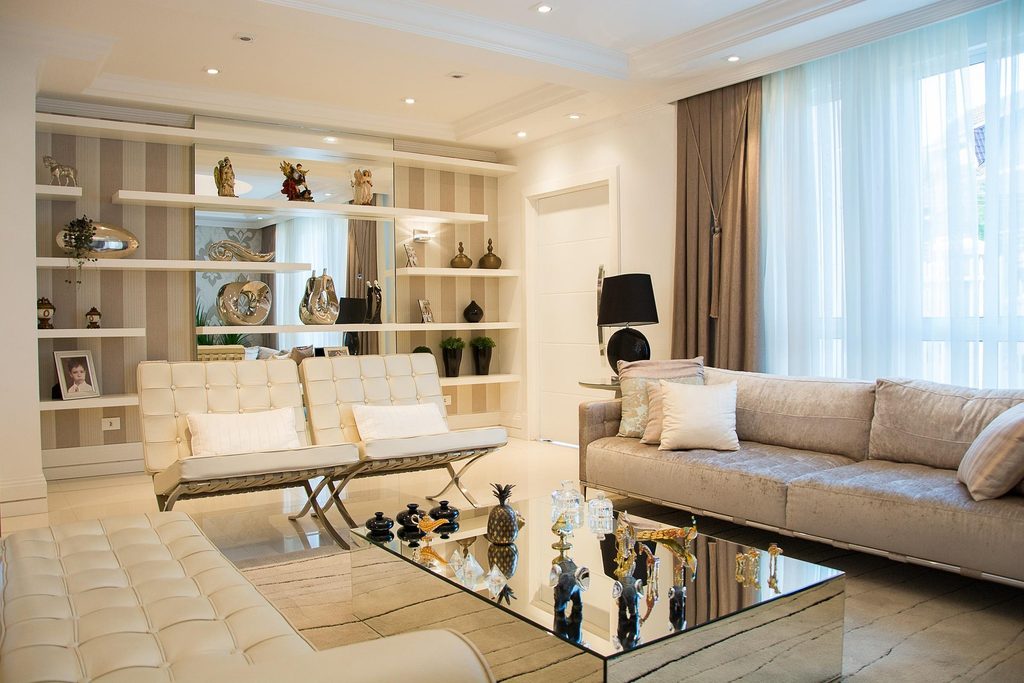
Ask five different homeowners what “modern” means and you’ll likely get five different answers — interior design style names get used loosely, which makes choosing between them genuinely confusing when you’re actually trying to plan your own home. Picking the right interior design style isn’t about memorising design terminology; it’s about understanding what each style actually looks and feels like in practice, and being honest about which one matches how you actually live, not just which one photographs best. This guide walks through the major styles homeowners consider in Pune, and a practical framework for choosing between them based on your household’s real habits and preferences.
Why Your Interior Style Should Reflect How You Live, Not Just Trends
A style chosen purely because it’s currently popular tends to feel dated faster than one chosen because it genuinely suits your household’s habits and aesthetic preferences. A minimalist home looks striking in photographs, but it demands discipline about what stays visible day to day — if your household naturally accumulates books, decor and everyday clutter, a strict minimalist approach will feel like a constant losing battle rather than a peaceful backdrop. Being honest about your actual daily habits, not just your aspirational Pinterest board, is the single most useful filter for narrowing down which style will genuinely work for your home long-term.
Modern Style
Modern design is characterised by clean lines, a restrained colour palette, and a clear preference for function over ornamentation. Furniture tends toward simple geometric forms, materials lean toward glass, metal and smooth wood finishes, and clutter is kept to an absolute minimum through built-in storage. This style suits households that value a calm, uncluttered visual environment and are willing to maintain some discipline about what stays out on display, since modern spaces show clutter more obviously than busier, more layered styles do.
Contemporary Style
Often confused with modern, contemporary style is actually more fluid — it borrows clean lines from modern design but incorporates current trends, softer curves, and a slightly warmer material palette including wood tones and textured fabrics. Contemporary style evolves with the times rather than being tied to a specific historical design movement, which makes it a popular, flexible choice for homeowners who want a current look without committing to modern design’s stricter minimalism.
Minimalist Style
Minimalism takes the “less is more” principle further than modern design, emphasising negative space, a near-monochromatic palette, and an almost complete absence of decorative objects. Every piece of furniture and every visible object needs to earn its place, which requires genuinely disciplined storage planning behind the scenes — built-in wardrobes, hidden cabinetry, and a household willing to keep most possessions out of sight to maintain the aesthetic.
Traditional and Indian Classic Style
Traditional style draws on richer colour palettes, ornate detailing, and often incorporates elements specific to Indian design sensibilities — carved wood furniture, brass and metal accents, and warmer, more layered colour schemes than the neutral tones common in modern or minimalist design. This style suits households that value warmth and visual richness over stark simplicity, and it pairs naturally with elements many Pune homeowners want to retain regardless of overall style direction — a dedicated mandir unit, for instance, or specific heirloom furniture pieces passed down through the family.
Industrial Style
Industrial design borrows from converted warehouse and factory aesthetics — exposed brick or concrete finishes, visible structural elements, metal fixtures, and a deliberately raw, unfinished quality to certain surfaces. This style works best as an accent approach in most residential Pune apartments rather than a whole-home commitment, since fully exposed structural elements aren’t always practical or even possible within a standard apartment’s existing finishes.
Scandinavian-Inspired Style
Scandinavian design combines minimalist principles with warmer, more approachable materials — light wood tones, soft neutral textiles, and an emphasis on natural light. It shares much of modern design’s restraint but feels warmer and more livable, making it a popular middle-ground choice for homeowners who want a clean, uncluttered look without minimalism’s stricter discipline requirements around visible objects and decor.
Transitional and Hybrid Styles
Most homes, in practice, don’t commit to a single pure style — they blend elements from two or three, creating a transitional or hybrid approach that suits the household better than any single named style would alone. A common combination in Pune homes pairs contemporary furniture and layouts with specific traditional elements retained deliberately — a mandir unit, particular colour accents, or specific material choices that carry personal or cultural significance for the household.
Color Palettes Across Different Styles
Colour choice is one of the fastest ways to signal a chosen style direction, and it’s often easier to adjust than furniture or finishes if you change your mind partway through planning. Modern and minimalist styles lean heavily on neutral, near-monochromatic palettes — whites, greys, and occasionally a single muted accent tone. Traditional style embraces richer, warmer colours — deep reds, golds, warm browns — often applied more liberally across a room than the restrained accent-wall approach common in modern design. Scandinavian style sits between these extremes, favouring soft, light neutrals with occasional muted pastel accents that keep the overall feel calm without becoming stark.
Lighting Choices That Reinforce a Chosen Style
Lighting fixtures themselves carry strong stylistic signals, sometimes more than furniture does. Modern and contemporary spaces typically favour recessed or track lighting with clean, unobtrusive fixtures that don’t compete visually with the room’s other elements. Traditional style often incorporates more ornate fixtures — chandeliers, brass fittings — as intentional decorative statements rather than purely functional elements. Industrial style leans toward exposed bulb fixtures and metal pendant lights that reinforce the raw, unfinished aesthetic the rest of the room is built around. Choosing fixtures that align with your overall style direction reinforces the aesthetic considerably more than furniture and colour alone can achieve on their own.
Applying Style Consistently Across Different Rooms
A home doesn’t need to apply the exact same style with equal intensity in every room, but some underlying consistency — a shared colour temperature, a consistent hardware finish, similar furniture silhouettes — keeps the overall home feeling cohesive rather than like a collection of disconnected showrooms. It’s entirely reasonable for a living room to lean more toward a bold, traditional aesthetic while bedrooms adopt a calmer, more minimal approach suited to rest, as long as some connecting thread — often a shared material palette — ties the spaces together when moving between them.
How to Choose Between Styles: A Practical Framework
Start by assessing your household’s actual daily habits honestly — how much visible storage discipline you’re realistically willing to maintain, whether you value warmth or restraint, and whether specific cultural or family elements need to be incorporated regardless of overall style direction. Next, consider your existing furniture and whether a full style change requires replacing everything or can incorporate pieces you already own and want to keep. Finally, review reference images specifically from homes similar in size and layout to yours, since a style that looks stunning in a large villa may translate very differently into a compact Pune apartment.
Matching Style to Budget
Some styles carry inherently higher costs than others — traditional style’s ornate detailing and custom carpentry typically costs more than a minimalist approach relying on simpler, cleaner lines and less customisation. Industrial style’s exposed finishes can actually reduce certain costs (less need for elaborate wall treatments) while adding others (specialised metal fixtures, exposed structural work). Understanding these cost implications before committing to a style helps you set realistic budget expectations from the very start, rather than discovering the mismatch once quotes start coming in from potential providers.
Materials and Quality Standards Across Styles
Whatever style you choose, material quality fundamentals stay the same. For carpentry across any style, moisture-resistant (MR) grade plywood remains a sensible baseline for Pune’s climate, with boiling-water-resistant (BWR) grade worth the extra cost near wet areas. Confirming BIS certification under IS 303 gives you a verifiable quality standard regardless of which aesthetic direction you ultimately choose, since style and material quality are genuinely separate considerations that shouldn’t be conflated during the decision process.
Common Mistakes When Choosing a Style
- Choosing a style based on inspiration photos without considering your own habits: A style that looks beautiful in someone else’s carefully staged home may not suit your household’s actual daily patterns.
- Committing to a single pure style when a hybrid would suit better: Most successful homes blend elements rather than adhering strictly to one named style throughout.
- Underestimating the maintenance discipline certain styles require: Minimalism and modern design in particular require ongoing effort to keep surfaces uncluttered.
- Ignoring existing furniture and family pieces: A style overhaul that requires discarding everything you already own adds unnecessary cost when incorporation was possible.
Working With an Interior Design Company in Pune
An experienced interior design company in Pune can help translate a vague sense of what you like into a coherent style direction suited specifically to your home’s layout, existing furniture and budget. Our living room interior design guide and complete home interior cost guide both cover style-adjacent decisions in more room-specific detail. You can explore our full range of interior design services, see completed projects across different styles on our projects page, or follow current work on our Instagram page. Reach out through our contact page to discuss your style direction.
Conclusion
There’s no universally “right” interior style — there’s only the style that genuinely fits how your household lives, what you can realistically maintain day to day, and what your budget supports. Rather than chasing a single named aesthetic because it’s trending, identifying the underlying patterns in what you’re drawn to, and being honest about your actual habits, consistently produces a home that feels right years after the initial design rather than one you outgrow within a season.
Not sure which style suits your home?
Ekratna Interiors & Constructions can help you find a style direction that genuinely fits how you live, not just what’s currently trending.
Request a ConsultationFrequently Asked Questions
What’s the difference between modern and contemporary style?
Modern design is tied to clean, minimal principles from a specific design era, while contemporary style is more fluid and evolves with current trends, often incorporating warmer materials and softer lines.
Is it okay to mix multiple interior styles?
Yes — most successful homes blend elements from two or three styles rather than committing to one pure aesthetic throughout, especially when specific cultural or family pieces need to be incorporated.
Which interior style is most budget-friendly?
Minimalist and Scandinavian-inspired styles tend to be more budget-friendly, since they rely on simpler lines and less custom detailing compared to traditional or heavily ornate styles.
How do I know if minimalism will actually work for my household?
Honestly assess how much storage discipline you’re willing to maintain day to day — minimalism requires keeping most possessions out of sight, which suits some households far better than others.
Can I keep traditional furniture pieces in a modern-style home?
Yes — many successful hybrid designs deliberately retain specific traditional or family pieces within an otherwise contemporary layout, rather than requiring a complete style overhaul.
Does interior style affect material quality decisions?
Not directly — material quality fundamentals like plywood grade and hardware brand matter regardless of which aesthetic style you choose, and shouldn’t be compromised for style reasons.
9 Comments
[…] or extensive false ceiling patterns. If you’re still deciding on a direction, our guide on How to Choose the Right Interior Style for Your Home walks through the trade-offs between different aesthetics and their typical cost […]
[…] you are unsure between styles, our guide on how to choose the right interior style can help you narrow it down before the meeting. You can also browse our work on Instagram for […]
[…] guidance on choosing a cohesive overall look before you commit to materials, our guide to choosing the right interior style is a useful starting […]
[…] you are deciding on an overall style direction for the room, our guide on choosing the right interior style covers how different styles translate across various room types, including children’s […]
[…] both carefully. Ask for examples of earlier approvals in your area. Our guide on choosing the right interior style helps with the design side, but approvals need a licensed architect with local […]
[…] Keep the palette simple. One main colour and one accent are usually enough. If you are unsure about style, read our guide on how to choose the right interior design style. […]
[…] A simple, well-planned balcony always looks better than a crowded one. If you are unsure which look suits your home, read our guide on how to choose the right interior design style. […]
[…] If you are unsure about your style, read our guide on how to choose the right interior design style. […]
[…] Avoid very bright or dark shades. They can feel heavy and make it harder to sleep. If you are unsure of your style, read our guide on how to choose the right interior design style. […]